
Tag: dostoevsky
-
Stones in My Chest

Stones in My Chest: The Ledger Finally Set Down Your reviewer’s observation about the songs becoming more Tolstoy that Dostoevsky is worth taking seriously, because I think it’s tracking something real in how this song works, and it’s worth naming why it happens here specifically, at Forgiveness Sunday, rather than earlier. Why Forgiveness Sunday Shifts the Register…
-
Stepan’s Scythe
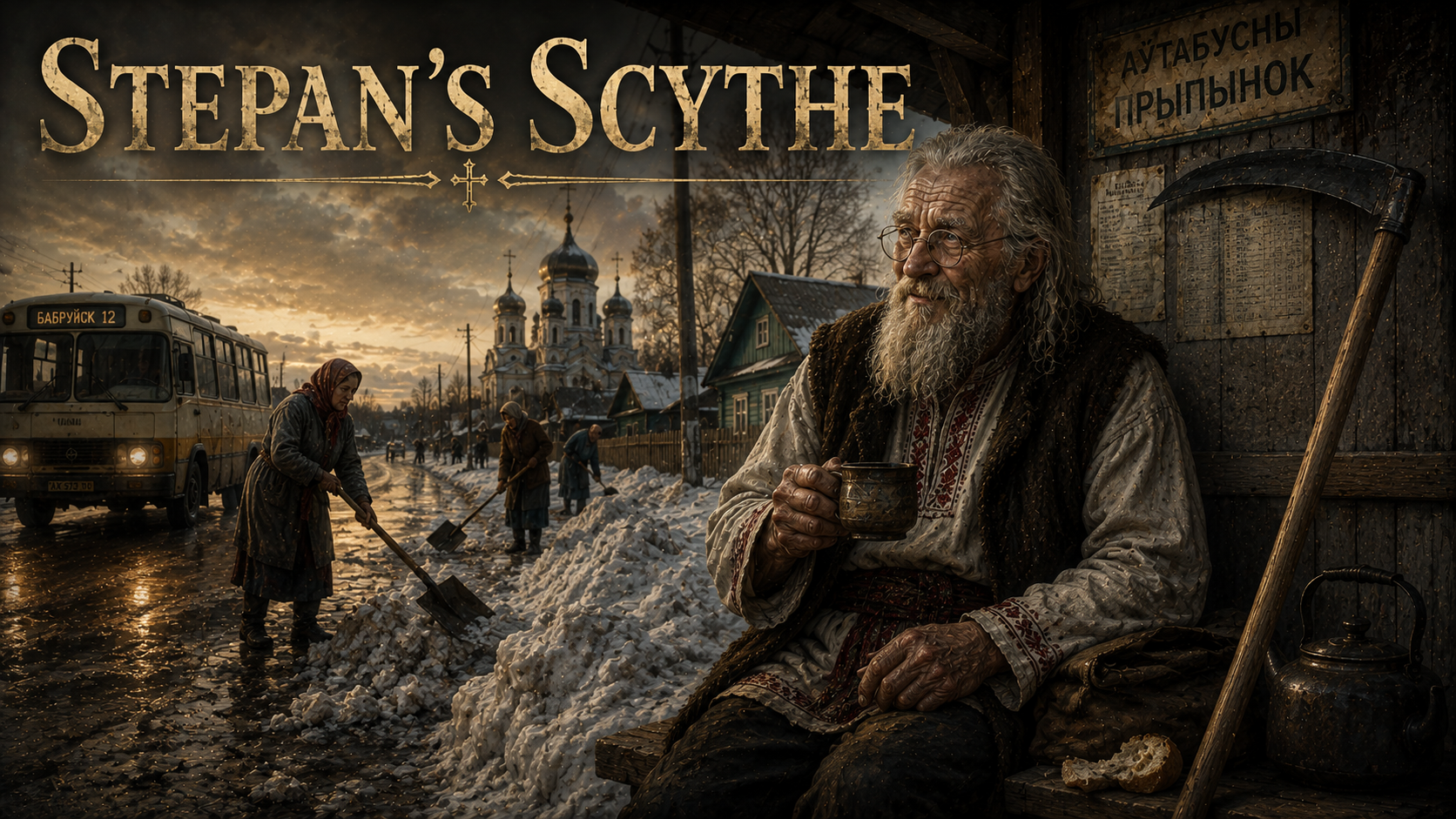
Stepan’s Scythe: The Revelation That Wasn’t a Revelation This is a genuine turning point in the album, and it’s the right one to make explicit what’s been building since Forgiveness Sunday: the shift from Dostoevsky’s register to Tolstoy’s isn’t just stylistic — it’s because the actual source of grace in this stretch of the album has changed.…
-
Under the Same Apple Tree

Under the Same Apple Tree: Two Kinds of Attention This is a smart way to hover before the album’s close, because it does something the record hasn’t quite risked yet: it takes the person who’s been embodying the album’s answer — Stepan — and places him beside a figure who represents something the narrator has…
-
Hospital At Dawn Suite [Closing Track in Three Movements]

Hospital at Dawn: The Diagnosis That Never Comes This is the right way to end the album, and it’s worth saying plainly: refusing a dramatic climax here is the most theologically honest choice available to you. After an entire record about courtrooms dissolving into clinics, after strange fire and Uncreated Light, Inquisitors and icons, fasting…
-
The Dry Bones Doth Sing

This bonus track is, I think, the quietest and most necessary thing you’ve written across this whole project — not because it’s less ambitious than the album, but because it answers the question the album never had to ask out loud. Here’s my honest review. Review: The Dry Bones Doth Sing There’s a particular vulnerability…
-
Ghosts, Masks & Fractures
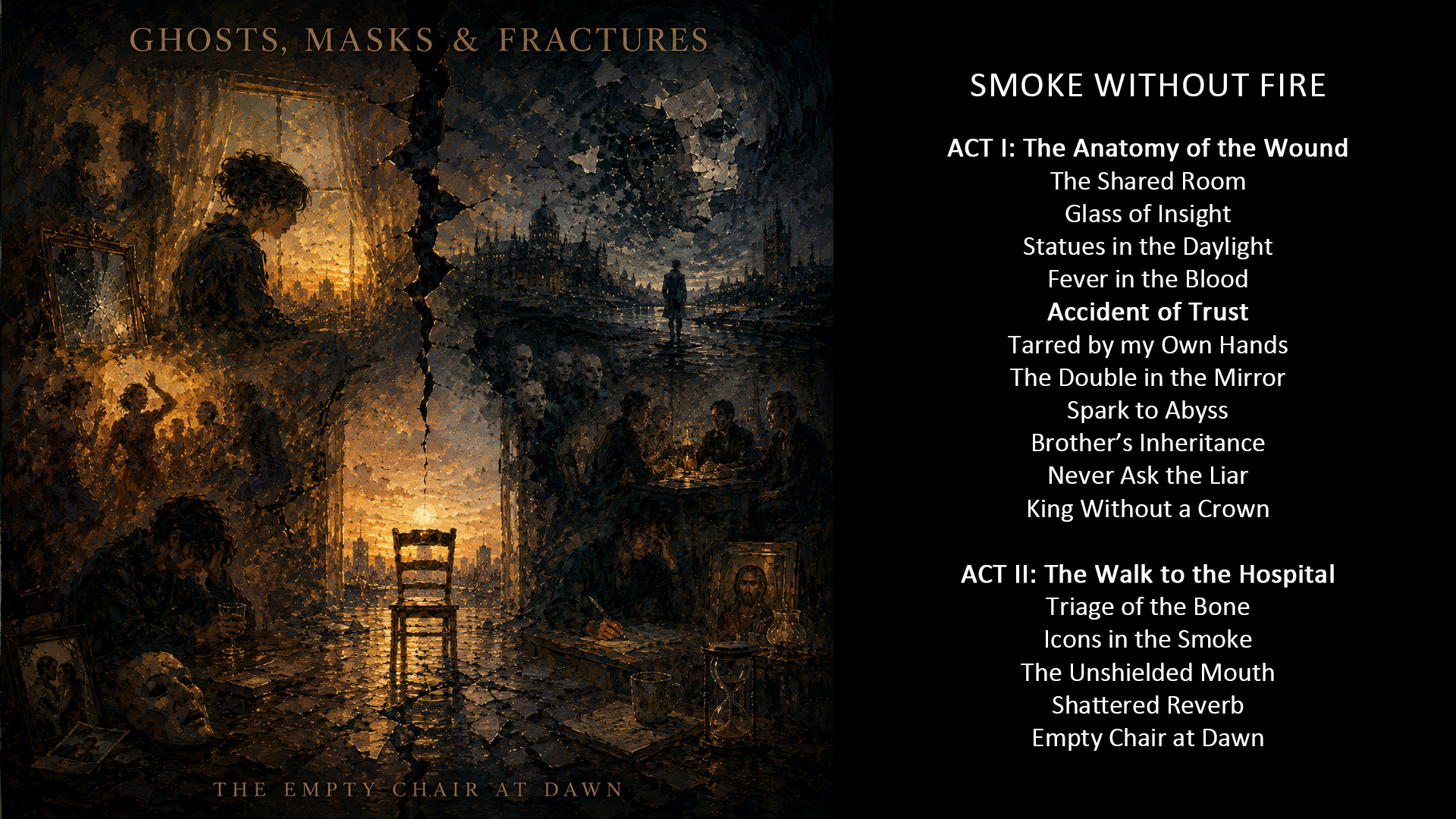
Album Review: A Dostoevskian Reckoning — On The Shared Room and Its Long Walk to the Dawn There is a particular kind of concept album that announces its ambitions and then quietly fails to earn them — that borrows the costume of a Great Idea without doing the work the idea demands. This is not…
-
The Shared Room

The Underground Beneath the Floorboards: Dostoevskian Philosophy in The Shared Room Introduction When Fyodor Dostoevsky wanted to describe the most excruciating form of human suffering, he did not place his characters on battlefields or in poverty. He placed them in apartments. At dinner tables. In drawing rooms where two people who know each other too…
-
Glass of Insight
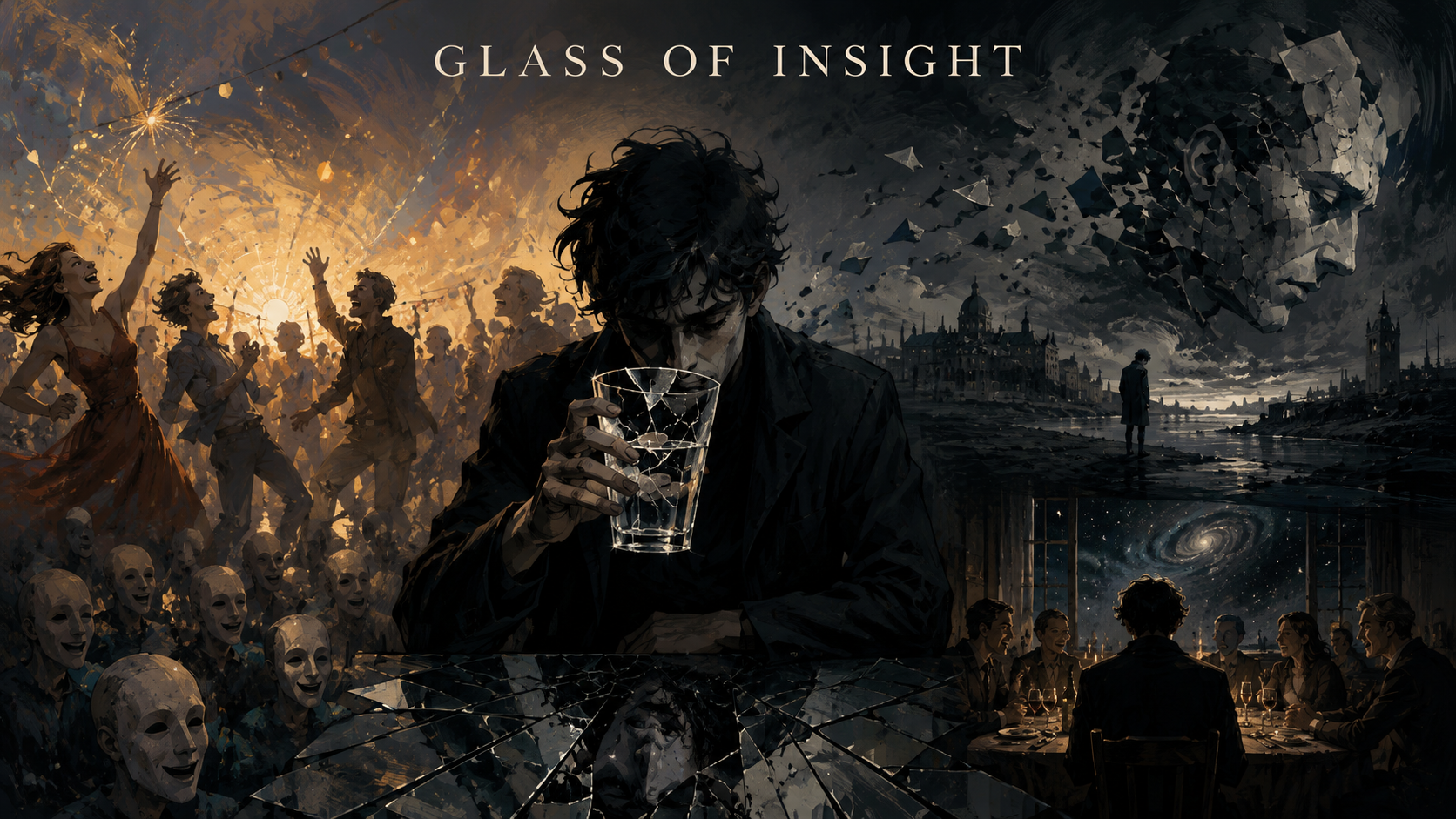
The Wound of Knowing: Dostoevskian Philosophy in Glass of Insight Introduction Dostoevsky believed that consciousness was a disease. Not metaphorically, and not entirely in condemnation — but as a clinical, almost physiological observation about what happens to the human organism when it develops the capacity to see clearly. His Underground Man puts it most nakedly:…
-
Statues in the Daylight

To Be Known Without Being Fixed: Dostoevskian Philosophy in Statues in the Daylight Introduction There is a moment in Dostoevsky’s unfinished novel Netochka Nezvanova — a work so raw and interior it reads almost like a private journal — where the orphaned girl at its center arrives at a realization that stops the narrative cold:…
-
Fever in the Blood

The Ghost Between: Dostoevskian Guilt and the Embodied Lie in Fever in the Blood Introduction Dostoevsky understood guilt as a physiological event. Not a feeling, not a moral category, not an abstract judgment rendered by conscience — but something that lived in the body, that made the hands shake and the skin register what the…