-
Tarred By My Own Hands
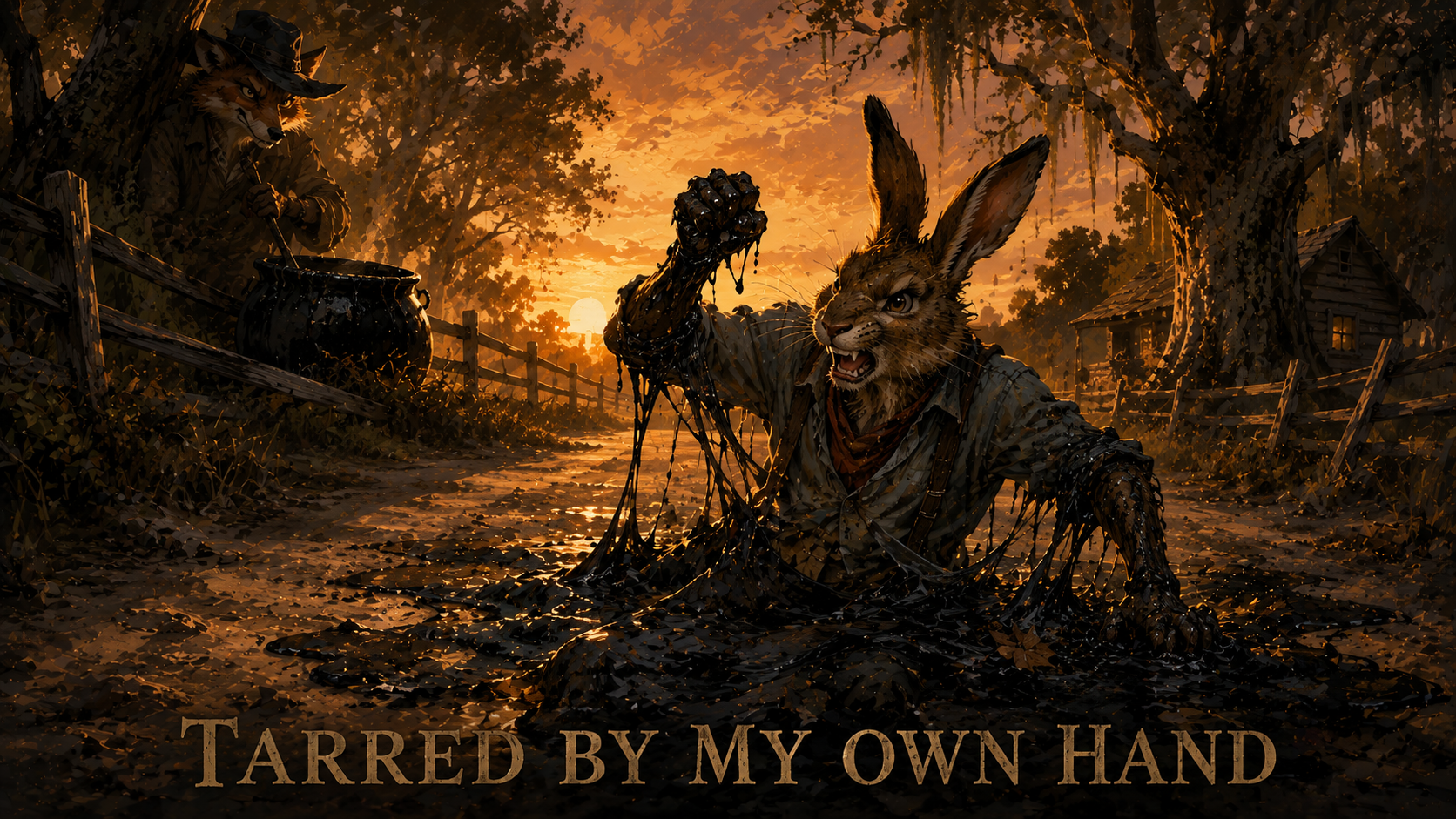
The Trap That Wears Your Face: Dostoevsky, the Tar Baby, and the Theology of Wrath in Tarred by My Own Hand Introduction There is a moment in The Brothers Karamazov when Dmitri Karamazov — drunk, raging, half-mad with jealousy — arrives at the house of a man he believes has stolen his beloved. He carries…
-
The Double in the Mirror
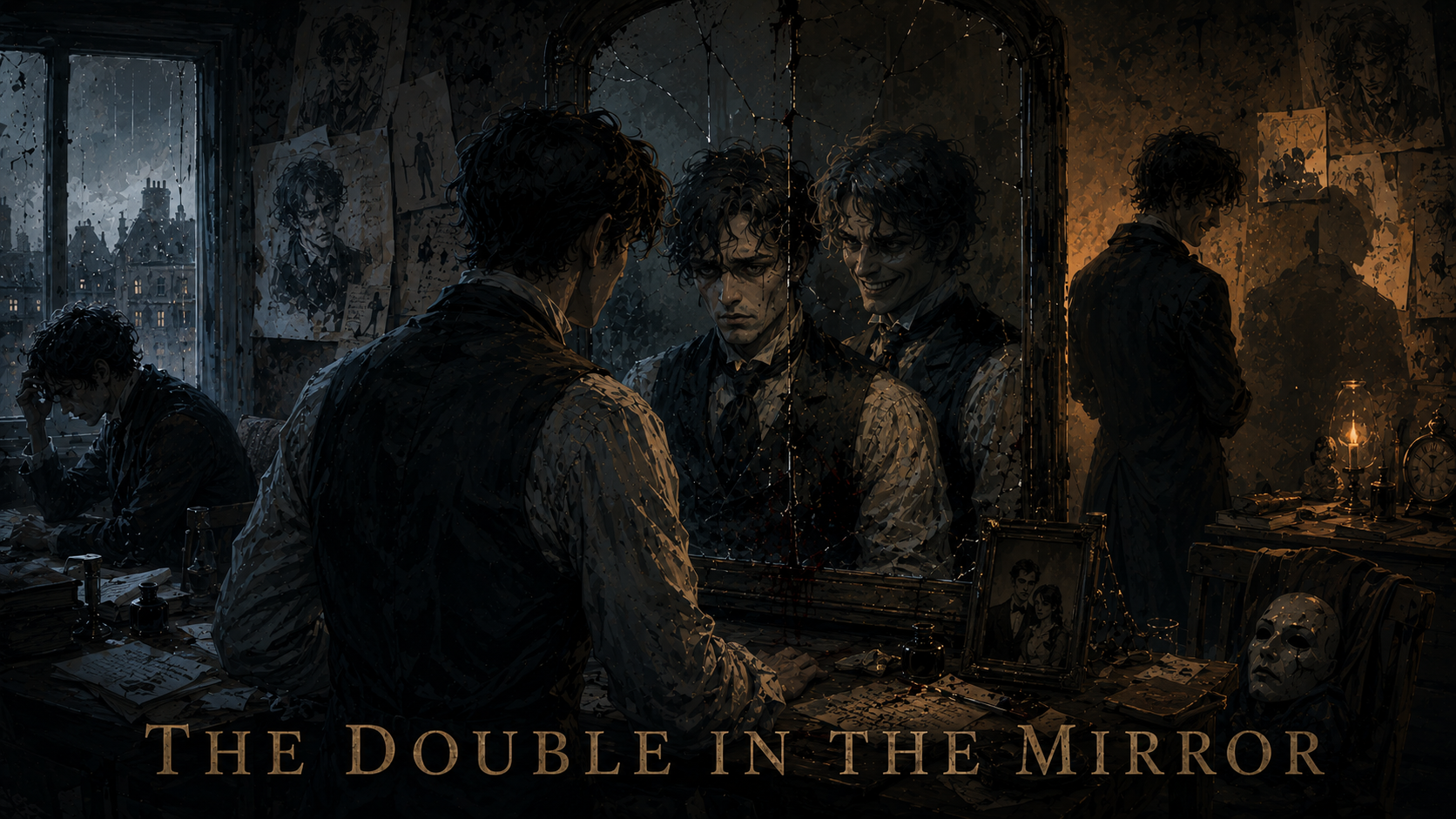
Two Men in One Grave: Dostoevsky’s The Double and the Ontology of the Split Self in The Double in the Mirror Introduction In 1846, a twenty-five-year-old Dostoevsky published his second work of fiction, a novella called The Double, and immediately declared it his most important piece of writing. The critical establishment disagreed — Belinsky, who…
-
Spark to Abyss
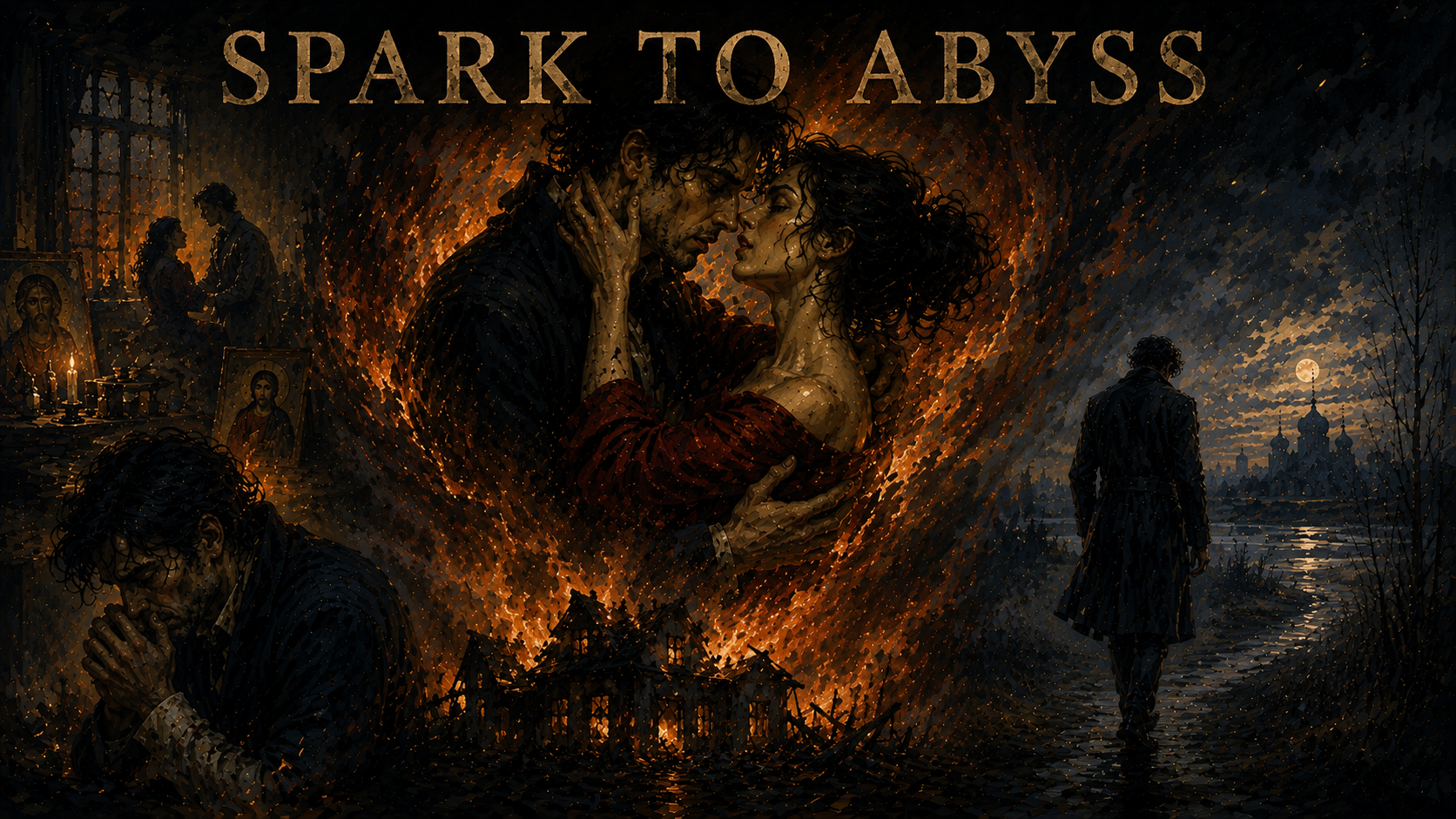
Beautiful Ruin: Dostoevsky, Infernal Love, and the Abyss That Looks Back in Spark to Abyss Introduction In The Idiot, Nastasya Filippovna burns one hundred thousand rubles in a fireplace while a room full of men watches in paralyzed silence. She does this not because the money means nothing to her but because the gesture —…
-
Brothers’ Inheritance

The Father’s Ghost and the Wound That Has No Will: Dostoevsky’s Brothers Karamazov and the Inheritance of Fracture in The Brothers’ Inheritance Introduction Dostoevsky did not write The Brothers Karamazov about a murder. He wrote it about a family — which is a more serious subject. The murder is the event around which the novel…
-
Never Ask the Liar

The Genealogy of Falsehoods: Dostoevsky’s Ontology of the Lie in Never Ask the Liar Introduction There is a moment in The Brothers Karamazov where Ivan Karamazov, confronted by his own devil, finally screams: “You are I, myself — only with a different mug!” The devil smiles. He has been waiting for this admission. Because the…
-
King Without A Crown

Weighed in the Balance: Dostoevsky, the Narcissist, and the Kingdom Built on Stone in King Without a Crown Introduction Dostoevsky’s most frightening characters are not murderers. They are not criminals in any conventional sense. They are the people who have made themselves the center of the universe — not through arrogance exactly, not through stupidity,…
-
Triage of the Bone

The Prosecutor Who Cannot Heal Himself: Dostoevsky, the Courtroom Culture, and the Hospital of Grace in Triage of the Bone Introduction There is a moment in Crime and Punishment that defines the entire architecture of Dostoevsky’s moral universe. Raskolnikov, having confessed his crime to Sonya, is given a choice by the woman who loves him:…
-
Icons in the Smoke

The Painted Eyes That Do Not Argue: Dostoevsky’s Aesthetic Theology and the Encounter with the Icon in Icons in the Smoke Introduction In 1867, Dostoevsky stood before Holbein the Younger’s painting The Body of the Dead Christ in the Tomb in a Basel museum and stared at it for so long that his wife feared…
-
The Unshielded Mouth

The Surrender of the Pen: Dostoevsky, Confession, and the End of the Authored Self in The Unshielded Mouth Introduction There is a moment in Crime and Punishment so quiet that readers sometimes pass through it without fully registering what has happened. Raskolnikov, after months of fever and evasion and partial confessions and retreats and theories…
-
Shattered Reverb

The Note That Eats Itself: Dostoevsky, the Echo Chamber, and the Feedback Loop of the Modern Underground in Shattered Reverb Introduction In 1864, Dostoevsky published a story about a man who lived underground — not literally, but epistemologically. The Underground Man had sealed himself off from the world of genuine human encounter, from the corrective…

SMOKE WITHOUT FIRE
Smoke Obscures